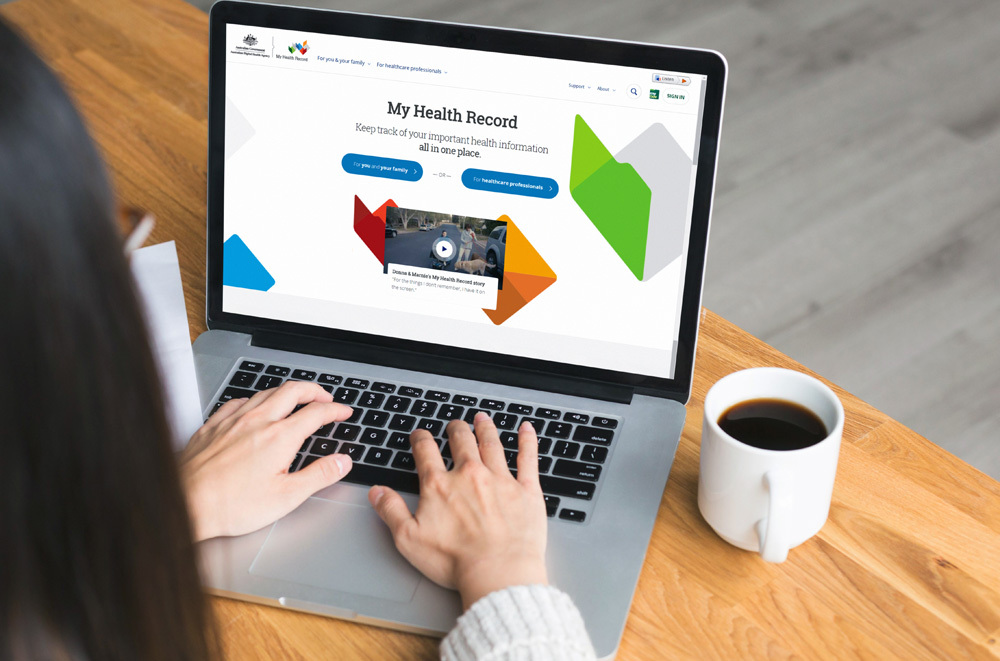
Telehealth and video consultations
Telehealth services, include consultation with a health professional by phone (mobile or landline phone) or a video call (mobile or computer).
Ongoing MBS telehealth arrangements remain in place and provide for a wide range of telephone and video services by qualified health practitioners to support safe and equitable telehealth services, informed by the MBS Review Taskforce Principles.
MBS video and phone items are available to medical practitioners in general practice, specialists, consultant physicians, nurse practitioners, participating midwives, allied health providers and dental practitioners in the practice of oral and maxillofacial surgery.
To be eligible for GP telehealth services, patients must have had a face-to-face consultation with their GP (or another GP in the same practice) in the 12 months before the telehealth service. There are some limited exceptions.
Temporary exemptions from the established clinical relationship requirement for general practice video and phone services apply to eligible patients.
Billing telehealth services
MBS Video and Phone items are available to medical practitioners in general practice, specialists, consultant physicians, nurse practitioners, participating midwives, allied health providers and dental practitioners in the practice of oral and maxillofacial surgery.
Health professionals bulk billing telehealth services MUST obtain an ‘assignment of benefit’ from a patient. An assignment of benefit is a signature requirement when a patient assigns their Medicare benefit to the servicing provider as full payment of the service (bulk billing).
Changes to the assignment of benefit (AoB) process
As of July 1st 2026, verbal AoB consent will no longer be accepted.
The Department of Health, Disability and Ageing has been working to create digital solutions to improve the Medicare payment processes. This will increase transparency for patients and better ensure the integrity of Medicare. The commencement of new assignment of benefit processes for all Medicare bulk-billed services is 1 July 2026.
View more information about the July 1st 2026 changes to assignment of benefit.
Digital Health